Spring Spawning: Witnessing the Magic of Coral Reproduction
May 30, 2026

Cauliflower Coral Spawning
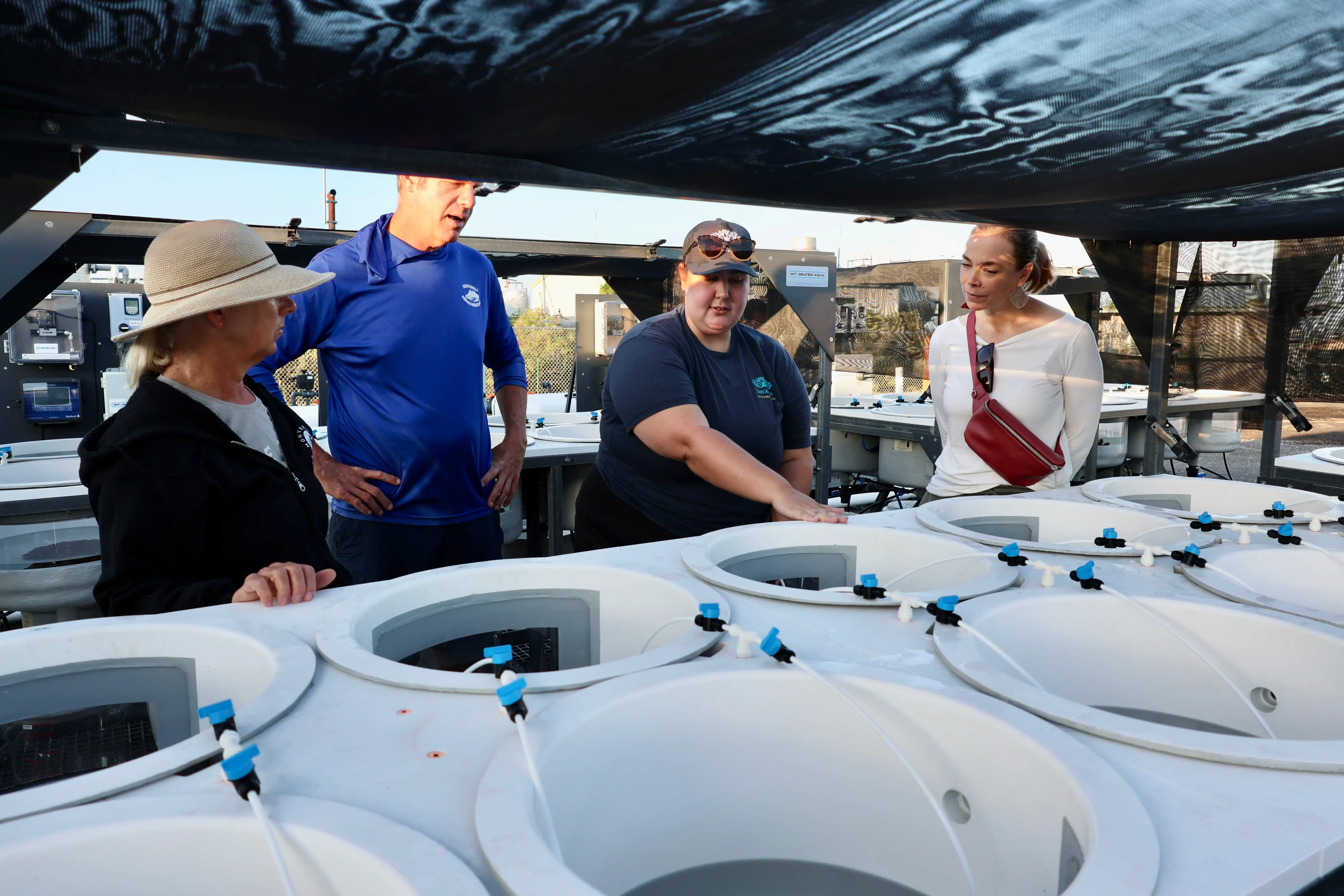
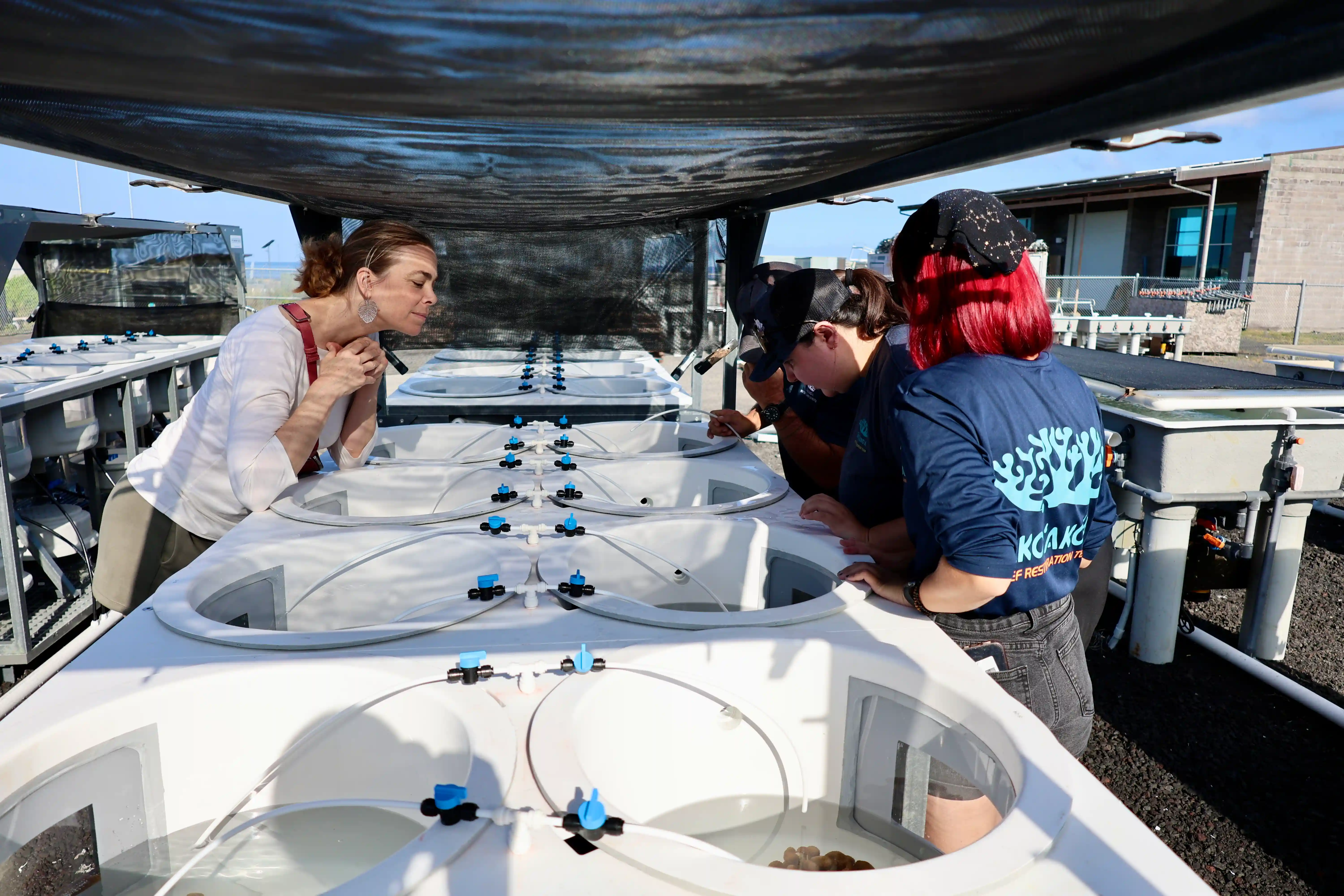
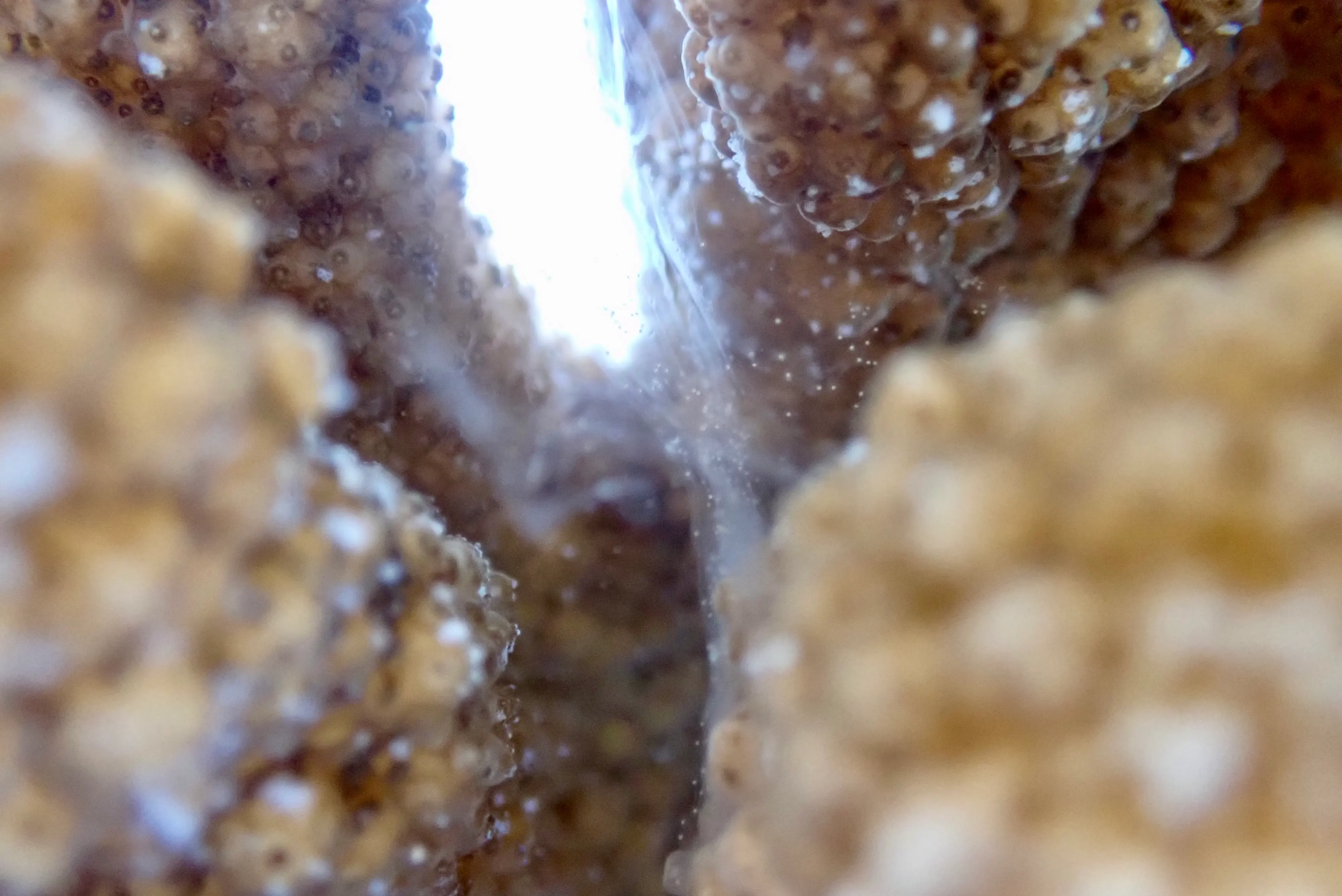
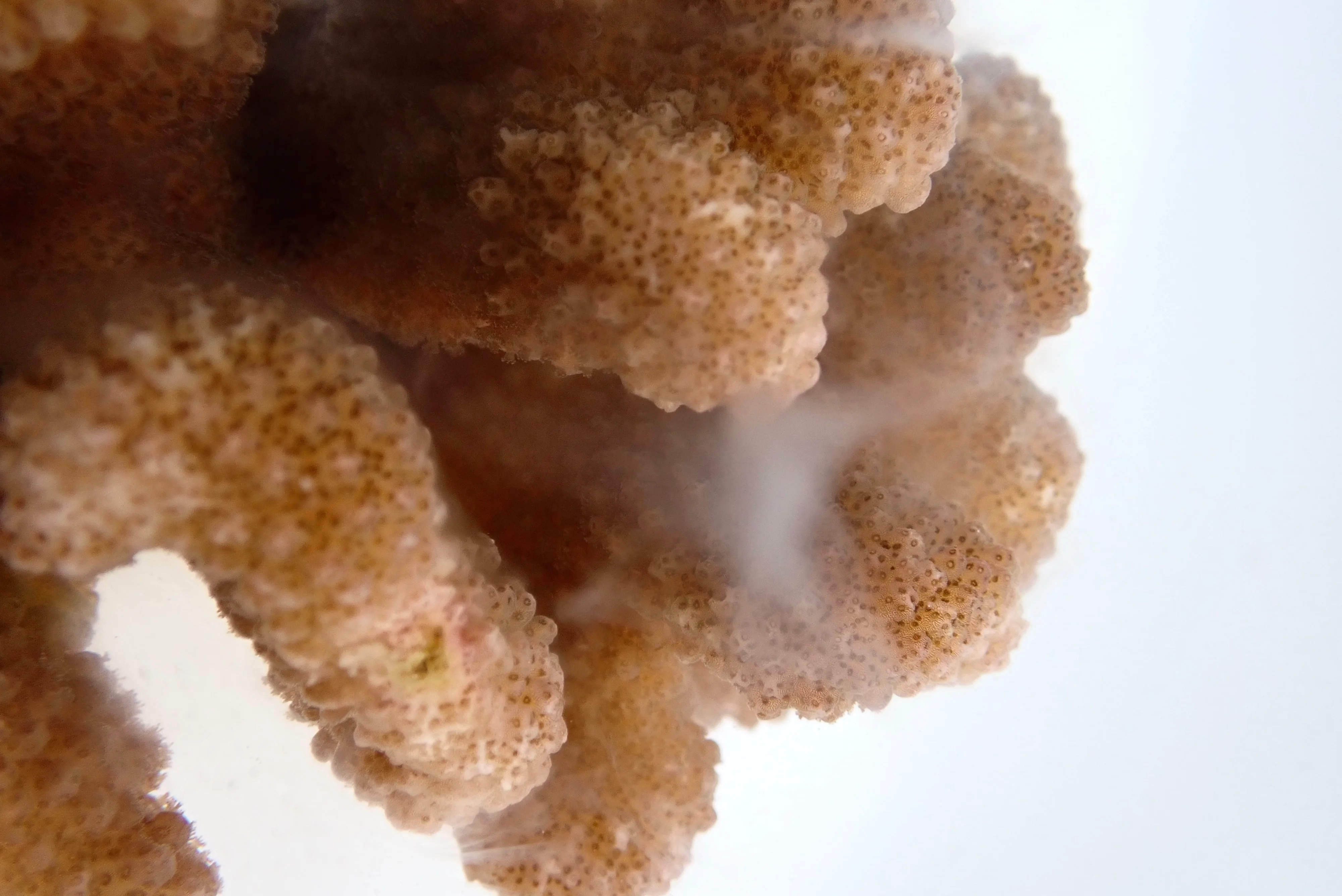
As the sun rose over Hualālai and the full moon set over the ocean, we witnessed Pocillopora meandrina (cauliflower coral) spawning in the ʻĀkoʻakoʻa Coral Nursery and across the state of Hawaiʻi. Billions of coral gametes (eggs and sperm) were observed being released from the parent colonies. After fertilization, an estimate of 20 million coral larvae were counted. What starts as a single larvae, grows into a colonial structure full of thousands of polyps, all sharing the same genetic identity.
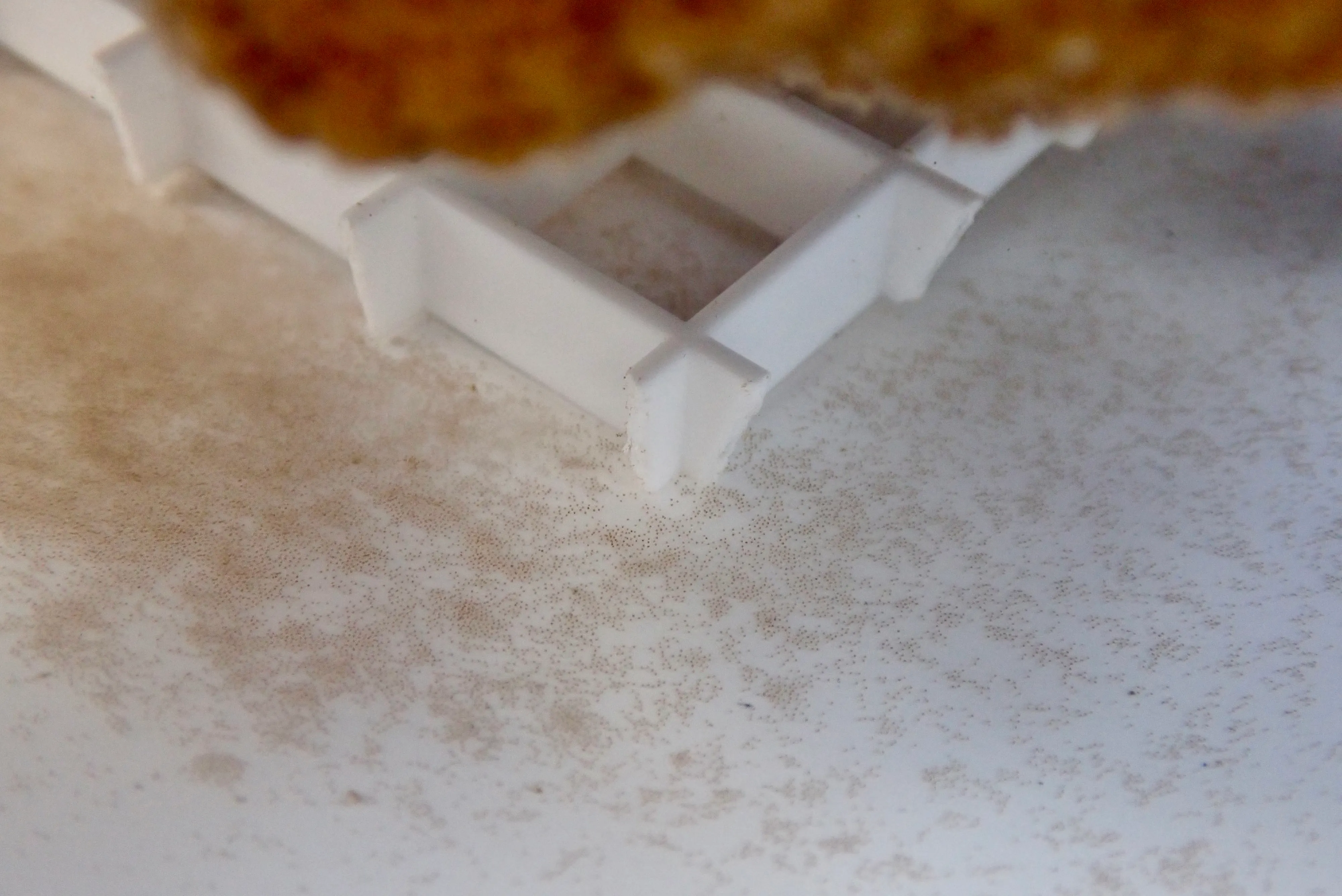
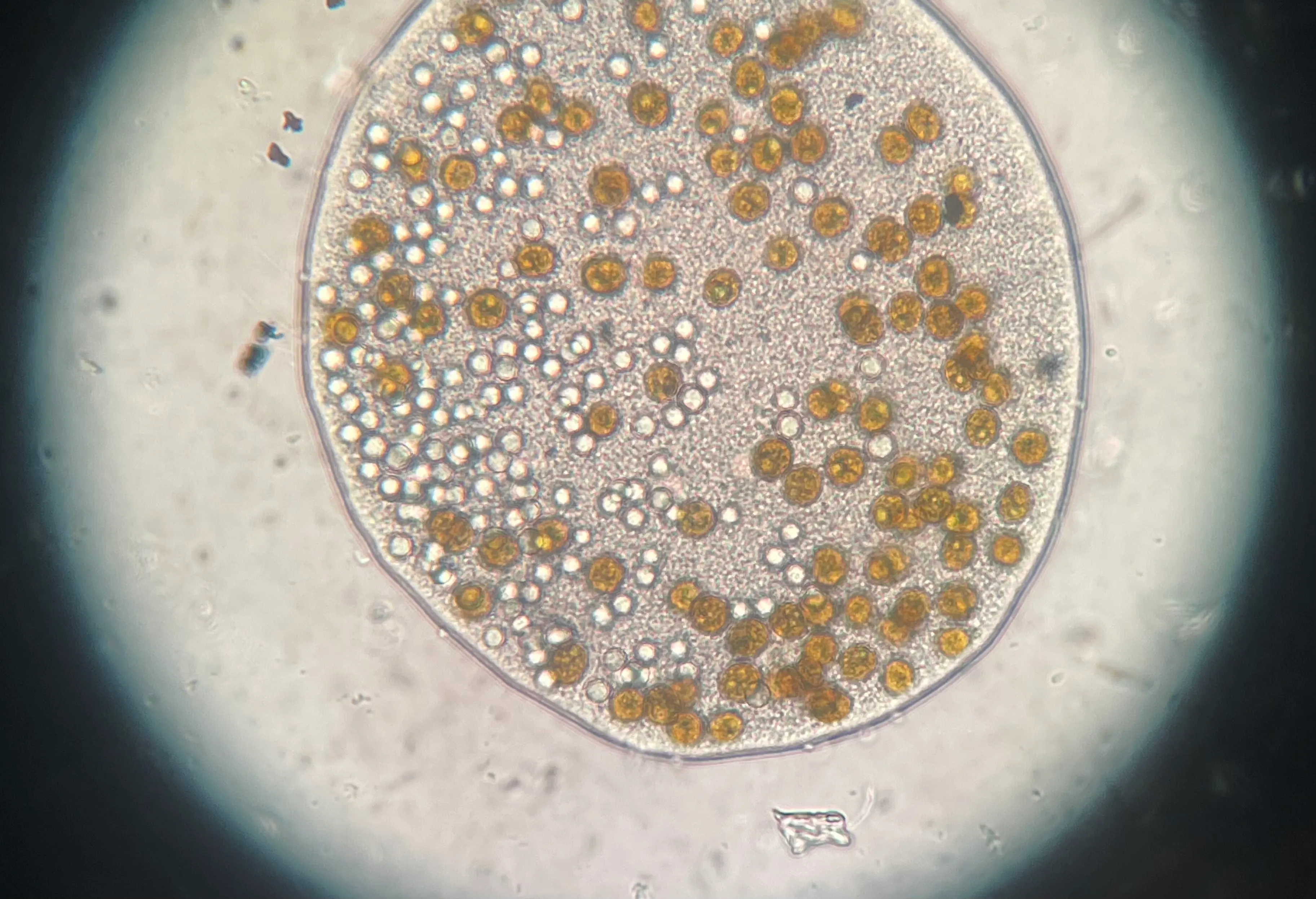
Did you know that some corals are born with their algal symbionts? Pictured below is a fertilized coral egg, the brownish/yellow cells inside them are actually their algal symbionts that are passed down from their parent colonies. However, not all species of coral are born with their symbionts. These species allocate their symbionts directly through the water column in the ocean.
Over the course of the observation period our 12 volunteers assisted in monitoring the coral and assisting in the fertilization of coral larvae. For many, this was not only a learning experience but also the first time they had witnessed a coral spawning event in their lifetime. The larval reproduction work at the ʻĀkoʻakoʻa Coral Nursery has provided not only an advanced way to support the creation of new coral but it’s also provided a platform for coral education and community engagement within the partnership program.