
Scaling Up Success: Making Coral Reproduction History
August 10, 2026
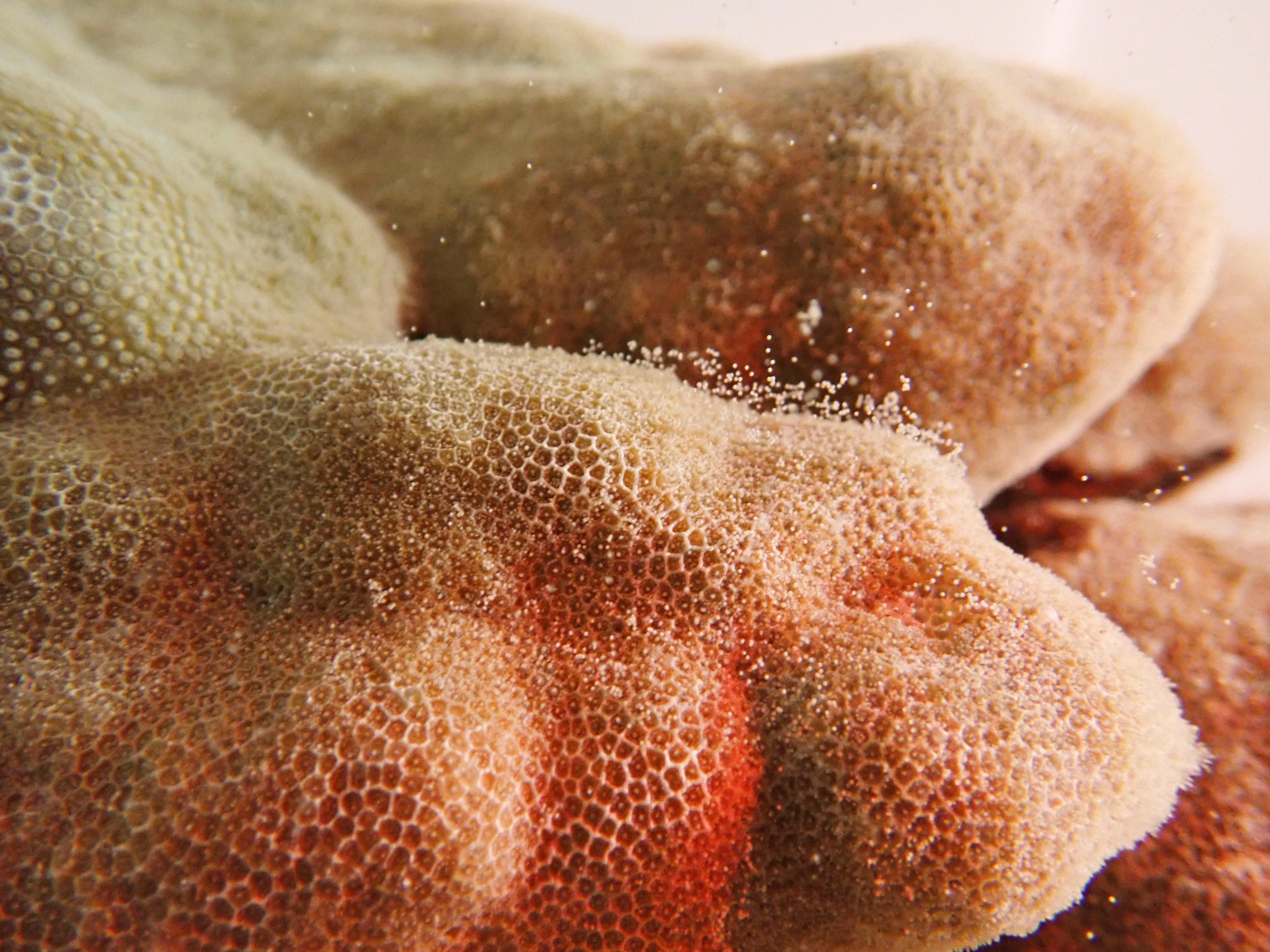

Lobe Coral Reproduction
The ʻĀkoʻakoʻa Reef Restoration Partnership of Hawaiʻi is proud to report that not only have we successfully facilitated Porites lobata (lobe coral) spawning in the coral nursery, we’ve also released viable coral larvae (babies) and encouraged settling using the Pololia Larval Deployment Device, designed by ʻĀkoʻakoʻa Cultural Board Member Damien Kenison and Paul Kane. This achievement is a result of the dedication and research of both our spawning and field teams, and connects our in-situ nursery spawning efforts with our Reef Nursery, Targeted Larval Enhancement, and Assisted Larval Flow initiatives.
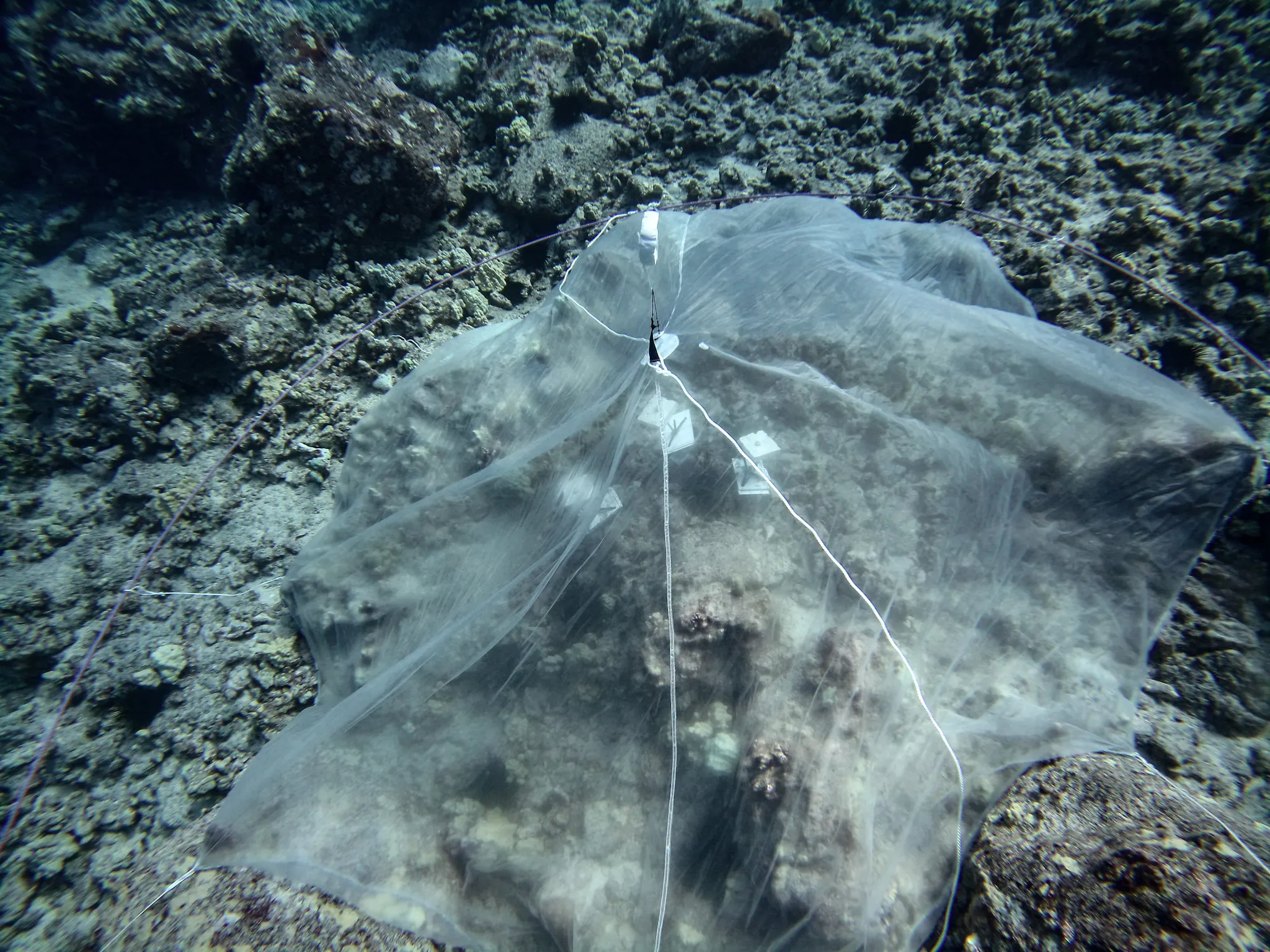
Between the nights of July 29th and August 1st, between 12 and 2 am, billions of gametes (eggs and sperm) were observed being released from parent colonies at the reef nursery. The spawning team worked quickly to fertilize as many as possible, resulting in an estimate of 1.2 million fertilized, free swimming planula larvae. Under the microscope the larvae were seen to have moving cilia which propels them through the water and helps them find a place to land on the reef. Their symbionts were also identified within the larvae, which were passed down by their parent colonies through direct transmission.
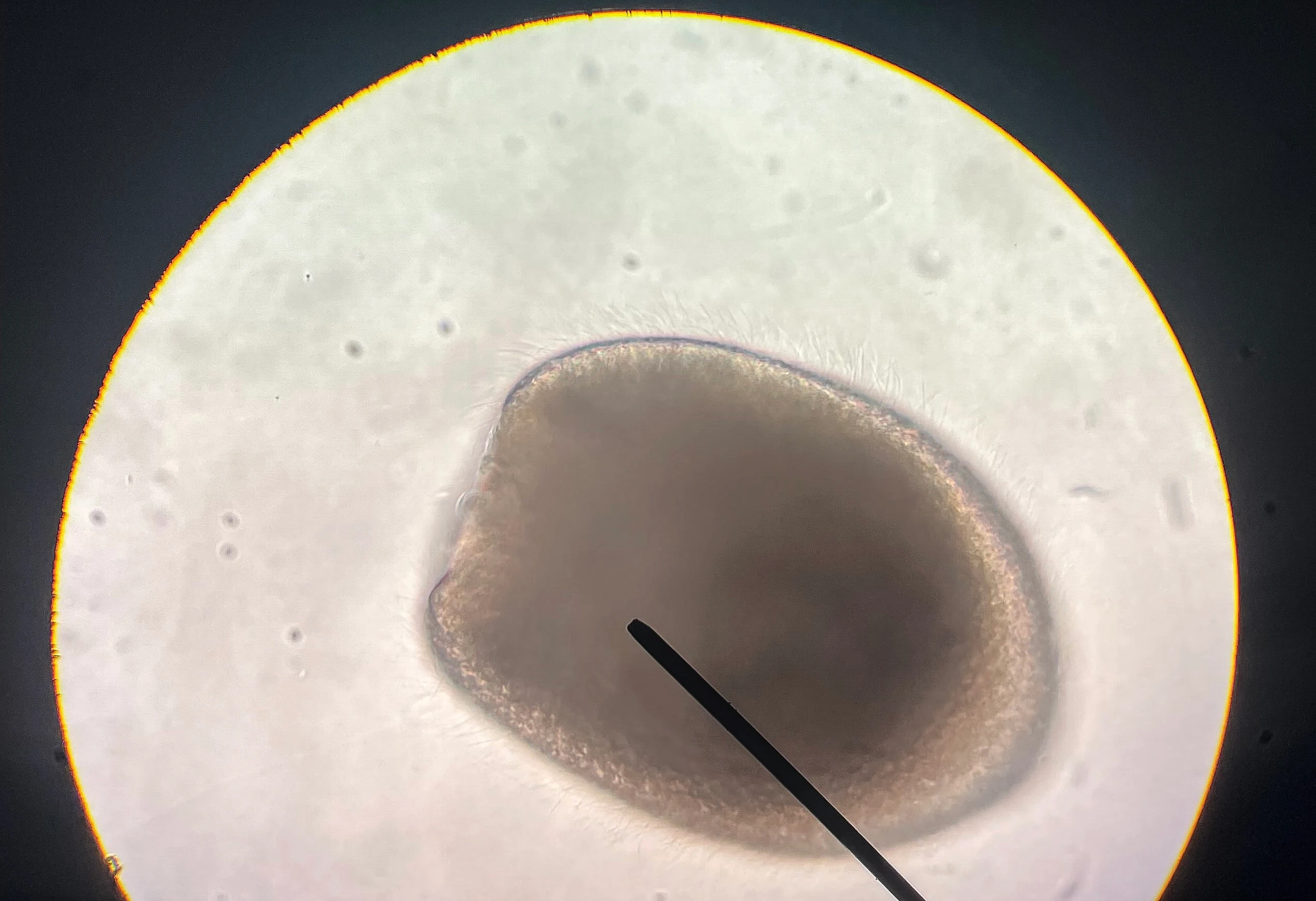
We released lobe coral larvae using the deployment device on an area of barren substrate in Hoʻokena Bay, and coordinated each step with ʻĀkoʻakoʻa Cultural Board Member Damien Kenison. The Hoʻokena Reef Nursery has been a key restoration site for the field team, as we've worked continuously to rescue and reattach corals of opportunity that have broken off of the reef. This event brought our Reef Nursery, Targeted Larval Enhancement, and Assisted Larval Flow initiatives to life. By releasing coral larvae in targeted areas and in high concentrations, we give them the best chance to survive to reproductive age, thus turbocharging the natural recovery process of degraded reefs.
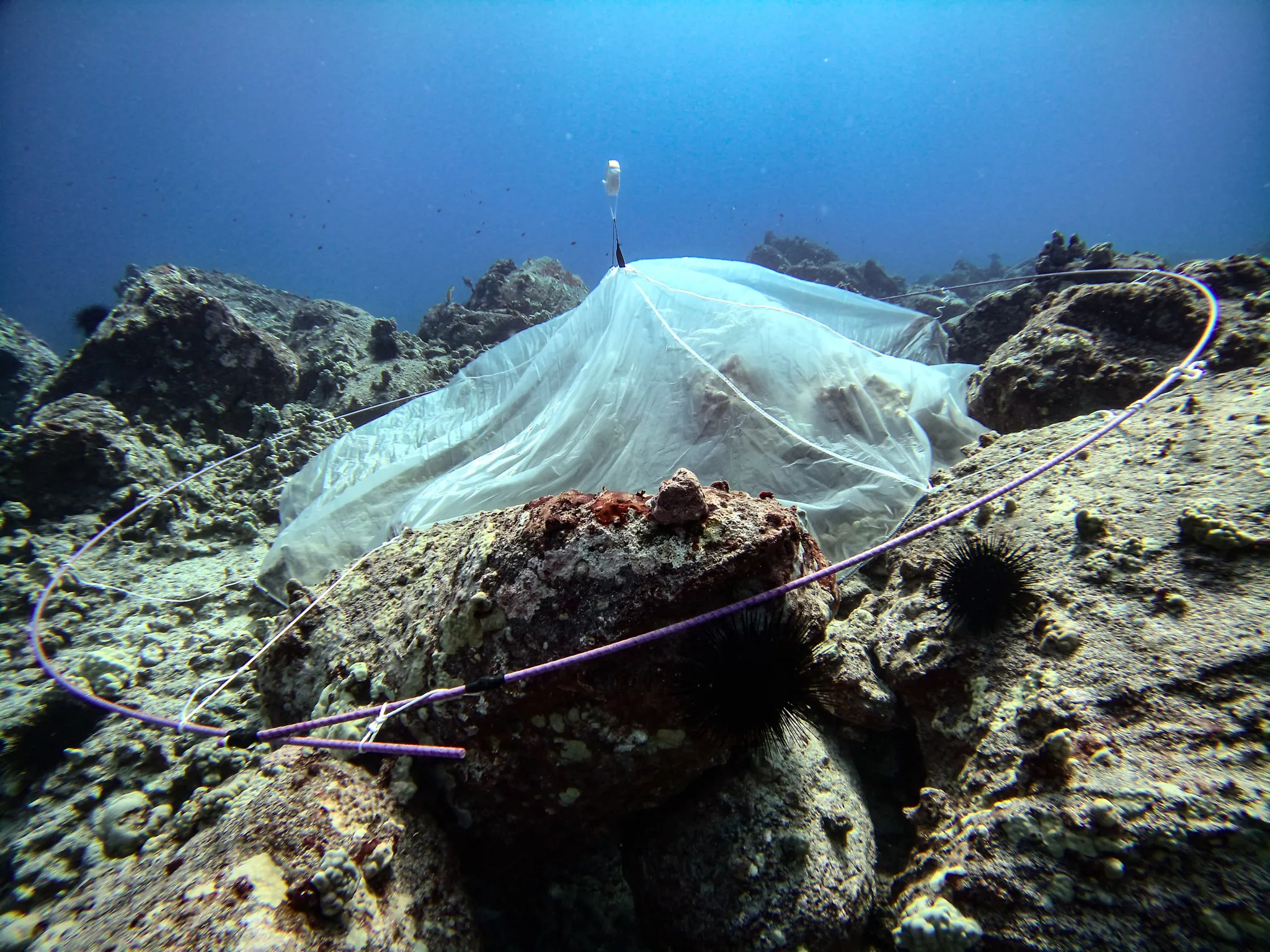
A key part of our strategy is called Assisted Larval Flow. In a healthy reef system, coral larvae can travel, which helps them mix and maintain robust populations over large areas. However, on degraded reefs like Hoʻokena, this natural process has been suppressed by past coral death, further hindering natural recovery. Using our understanding of currents along West Hawaiʻi, we rely on our Reef Nursery sites to maximize the effectiveness of future larval flow. By introducing large numbers of coral larvae through Targeted Larval Enhancement on our Reef Nurseries, we are helping to grow live coral cover numbers along the coastline. The combined success of these restoration initiatives means we are the first coral restoration program to perform these methods on Hawaiʻi’s reefs.
.webp)