
ʻĀkoʻakoʻa Maps a Leaky Coastline of Contaminated Groundwater Threatening Reefs
October 7, 2025


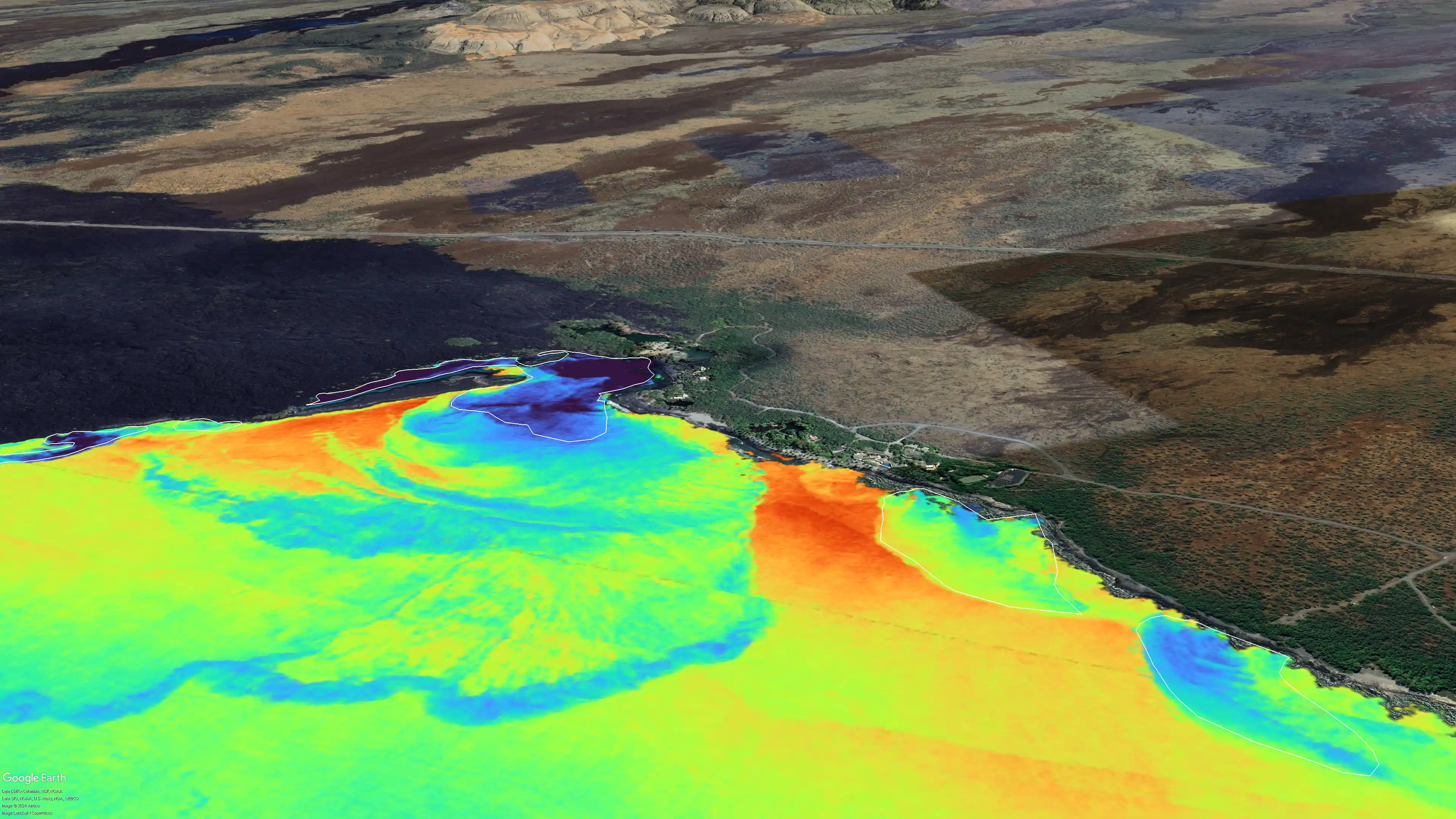
Have you ever been swimming along the coast of West Hawaiʻi and suddenly encountered a cold patch of water? If so, it’s likely that you came across a submarine groundwater discharge (SGD) plume. Using our unique aircraft-based laboratory, we mapped more than 1,000 of these plumes along our coast—spots where freshwater enters the ocean from beneath the ground. These plumes are a natural part of our coastal water cycle, acting like underground streams flowing into our reefs.
Each one of these hundreds of locations is therefore a tight linkage connecting land and sea, and serves as a key intervention point for monitoring and restoring our reefs. These plumes are part of the plumbing system of our island, and we probed this plumbing to determine whether parts of it are contaminated by our cesspools and septic tank leach fields.
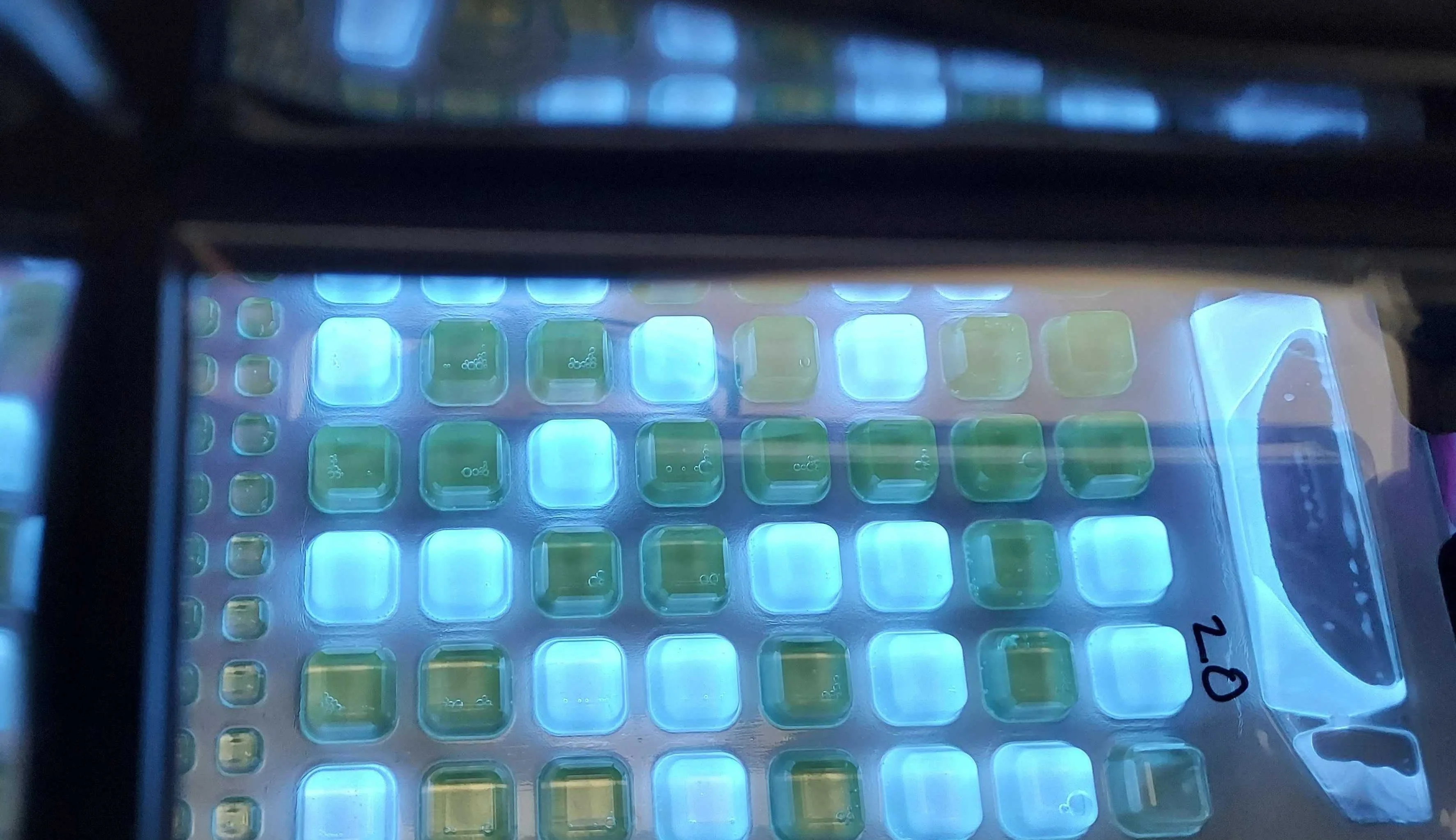
After we mapped the SGD plumes, we tested them for wastewater contamination by collecting water samples in the field and running laboratory tests for certain types of bacteria found in the digestive tract of humans and other mammals. When these “fecal indicators” are present, they are a warning sign that the water is contaminated.
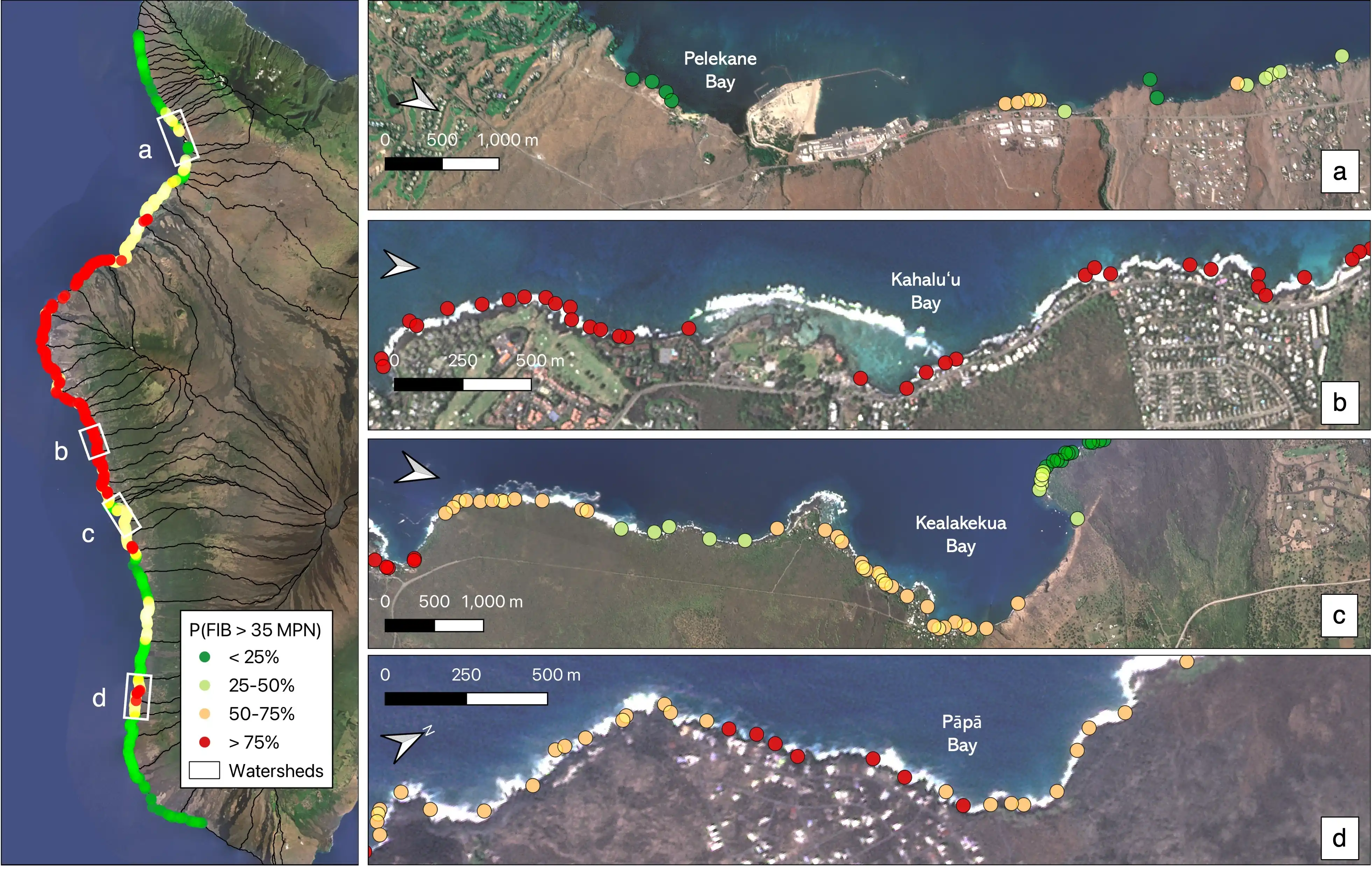
Doing this along the West Hawaiʻi coastline, we discovered a whopping 42% of sites tested had elevated bacteria levels. Critically, we also determined that the plumes contaminated with fecal bacteria are surrounded by development with cesspools and septic systems right along the coast. More specifically, lands within a quarter mile of the shoreline are particularly vulnerable to groundwater, and thus reef, contamination.
Many wastewater systems are designed to leverage the natural filtration processes that remove harmful substances from water as it slowly percolates through the ground. Volcanic ground, on the other hand, is filled with cracks and tubes that give wastewater a shortcut past those natural filtration processes found in more developed soils.
Using our results, we developed the first-ever map for West Hawaiʻi showing which SGD plumes are contaminated. By doing so, we identified specific locations where upgrading wastewater infrastructure from cesspools and septic systems, as well as avoiding leaky land development, have the most benefit for West Hawaiʻi reefs. If we want to improve coastal water quality and improve our reefs, we need to focus on these specific areas first.
The ʻĀkoʻakoʻa restoration team is tackling this problem with a combination of approaches including saving corals from contaminated areas and outplanting them away from sewage, working with the County and State on cesspool conversions, and educating our communities along the West Hawaiʻi coast. These and other interventions are needed, but it all starts and ultimately ends with scientifically robust monitoring.
For more detail on the submarine groundwater discharge plume mapping and contamination assessment, click these links to our scientific articles in Oceans and Frontiers in Marine Science.